
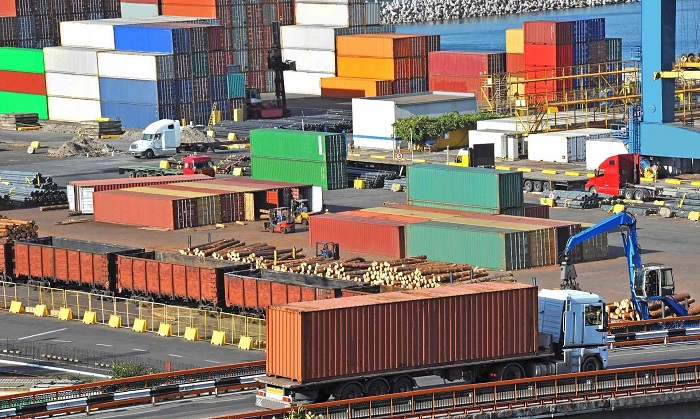
Modern global supply chains rarely follow a straight line. Sourcing components across Southeast Asia, assembling machinery in Eastern Europe, and fulfilling consumer orders in North America involves navigating a maze of regulatory checkpoints, shifting trade lanes, and volatile transit corridors. When unexpected weather closures, labor disputes, or geopolitical chokepoints enter the equation, a rigid supply chain can collapse in days.
For global enterprises managing intricate freight profiles, relying on a single mode of transportation is no longer a viable risk. While ocean shipping provides unmatched scale and air freight offers rapid dispatch, neither can solve every operational bottleneck on its own. Multimodal logistics—the strategic integration of ocean, air, rail, inland water, and highway freight under a single unified transport contract—has evolved from an alternative backup plan into an indispensable framework for managing complex international movements.
The Operational Leverage of a Single Contract
Shippers often confuse intermodal and multimodal logistics. While intermodal transport uses multiple modes to move cargo in standardized containers, it requires separate contracts, bills of lading, and liability agreements with every individual rail operator, trucking line, and ocean carrier involved.
Multimodal logistics eliminates that administrative fragmentation. A single Multimodal Transport Operator (MTO) assumes full responsibility from origin pickup to final destination under one multimodal bill of lading.
This operational consolidation delivers concrete benefits during high-stakes shipments:
-
Centralized carrier liability: When fragile industrial components or cold-chain pharmaceuticals sustain damage during transit, identifying the responsible party across five separate carriers can take months of contentious litigation. Under a multimodal arrangement, the primary contractor bears legal and operational accountability regardless of where the incident occurred.
-
Streamlined customs clearance: Coordinated documentation means customs brokers and border authorities process standardized declarations, minimizing clerical discrepancies that trigger costly bonded storage holds.
-
Coordinated handoffs: Transferring cargo between railheads, marine terminals, and regional cross-docks requires meticulous scheduling. Single-operator oversight dramatically reduces dwell times at transfer hubs, where freight is most vulnerable to theft and delay.
Balancing Transit Speed and Capital Expenditure
International logistics teams frequently face a painful trade-off: burn through capital on high-cost air freight to protect lead times, or commit to budget-friendly ocean shipping while tying up millions in working capital across lengthy maritime transits.
Multimodal strategies create an adaptable middle ground. By combining different transport modes based on geographic realities and urgency, logistics directors can tailor hybrid transit plans that balance financial discipline with schedule certainty.
The Power of Sea-Air Hybrid Corridors
One of the most practical applications of multimodal planning is the sea-air corridor. Ocean vessels transport high-volume cargo from production hubs across Asia to transshipment gates like Dubai, Singapore, or Seattle. From those transit nodes, priority shipments transfer directly to wide-body cargo aircraft for rapid delivery into interior markets.
This hybrid method routinely reduces standard ocean transit times by half while slicing air cargo expenses by up to 60 percent. For seasonal consumer electronics, automotive spare parts, and fast-moving fashion lines, this hybrid cadence keeps inventory moving without eroding operating margins.
Inland Rail and Short-Sea Coastal Feeders
In continental territories like North America and Eurasia, pairing maritime transport with rail corridors delivers massive cost efficiencies over long-haul drayage. Moving standardized shipping containers off congested coastal quays and onto dedicated double-stack rail corridors bypasses interstate highway bottlenecks, limits exposure to driver shortages, and yields predictable line-haul schedules.
Building Structural Resilience Against Chokepoints
The modern freight environment suffers from systemic fragility. Canals face drought restrictions, regional conflicts force vessel rerouting around strategic capes, and gateway ports contend with equipment imbalances. Shippers locked into single-mode operations find themselves at the mercy of localized gridlock.
Multimodal frameworks provide the agile architecture needed to pivot when primary routes stall. If low water levels paralyze an inland river barge network, an experienced transport operator can rapidly divert cargo to electrified rail or specialized heavy-haul road networks without invalidating commercial cargo insurance or rewriting transport agreements.
This agility is especially critical for project cargo and oversized freight, such as wind turbine components, mining extractors, and refinery assemblies. Moving non-standard machinery through international borders demands customized route planning that combines heavy-lift marine vessels with hydraulic platform trailers and specialized rail cars. Multimodal logistics treats these discrete moves as a continuous, synchronized progression.
Meaningful Carbon Reductions in Scope 3 Emissions
Environmental compliance and sustainable procurement are no longer peripheral metrics; enterprise buyers now demand audited emissions performance across their supplier networks. Long-haul trucking remains one of the largest contributors to freight-related greenhouse gas emissions.
Multimodal shipping provides a direct, measurable path to decarbonize freight without compromising delivery viability. Rail transit is widely recognized as three to four times more fuel-efficient than standard long-haul trucking, removing hundreds of commercial vehicles from crowded highways with each dedicated freight train.
By utilizing coastal short-sea vessels and electrified freight rail for the extensive middle-mile leg—reserving heavy-duty diesel or electric fleets exclusively for localized first-mile and final-mile deliveries—shippers achieve substantial cuts in Scope 3 carbon output. This structural efficiency helps multinational corporations meet aggressive net-zero commitments while insulating their freight spend from volatile diesel fuel surcharges.
Mastering Complex Freight Across Modern Borders
Global trade will never be entirely predictable. Weather patterns will disrupt schedules, regulatory policies will alter tariff classifications, and physical transport networks will face localized surges. Trying to tame this complexity with fragmented carrier networks and disconnected systems only amplifies operational vulnerability.
Multimodal logistics transforms fragmented transportation links into a resilient, cohesive supply chain engine. By uniting distinct transportation modes under unified accountability, enterprise shippers gain the agility to pivot around global bottlenecks, control transportation budgets, and ensure their cargo reaches its destination on time, every time.