
Logistics has become one of the most crucial pillars of global commerce. It connects producers, suppliers, retailers, and customers, ensuring that goods flow smoothly from origin to destination. Whether it’s raw materials moving into factories or finished products reaching customers’ doorsteps, logistics is the backbone that keeps the world economy functioning efficiently.
What Is Logistics?
Logistics refers to the planning, coordination, and execution of the movement and storage of goods, services, and information throughout the supply chain. It involves everything from transportation and warehousing to forecasting, inventory management, and last-mile delivery.
Importance of Logistics in Modern Business
Logistics plays a pivotal role in enhancing operational efficiency and customer satisfaction. Organizations rely on well-structured logistics to:
- Optimize delivery timelines
- Reduce operational costs
- Improve product availability
- Boost overall supply chain performance
- Strengthen customer trust through timely fulfillment
A strong logistics system enables businesses to scale operations and remain competitive in fast-moving markets.
Core Components of Logistics
1. Transportation
Transportation is the heart of logistics, involving multiple modes such as road, rail, air, and sea. Choosing the right mode depends on factors like cost, distance, product type, and urgency. Efficient transportation ensures timely delivery and reduces handling losses.
2. Warehousing
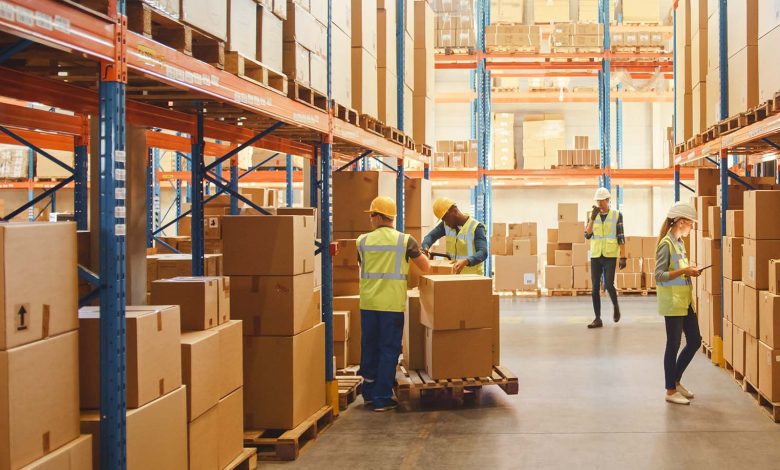
Warehousing includes storing goods safely until they are needed. Modern warehouses use advanced technologies such as automation, robotics, and inventory scanning systems to improve accuracy and productivity.
3. Inventory Management
Inventory management focuses on maintaining the right stock levels. Techniques such as Just-in-Time (JIT), ABC analysis, and demand forecasting help prevent overstocking and stockouts.
4. Order Processing
Order processing covers activities from order placement to shipment confirmation. A streamlined process reduces delays and enhances customer satisfaction.
5. Packaging and Handling
Proper packaging protects goods during transportation and storage. It also influences shipping costs and environmental impact.
6. Information Flow
Data plays a significant role in logistics. Real-time tracking, automated systems, and analytics tools support better decision-making across the supply chain.
Types of Logistics
Inbound Logistics
Inbound logistics focuses on receiving raw materials and components from suppliers. Efficient inbound strategies help reduce lead time and production expenses.
Outbound Logistics
Outbound logistics deals with distributing finished products to customers or distributors. It directly affects customer experience and brand reputation.
Reverse Logistics
Reverse logistics manages returns, repairs, recycling, or disposal of products. It is becoming increasingly important due to e-commerce growth and environmental concerns.
Third-Party Logistics (3PL)
3PL providers offer outsourced logistics services such as transportation, warehousing, and fulfillment. This allows businesses to focus on core operations while experts manage logistics tasks.
Role of Technology in Logistics
Technology continues to transform logistics through innovation:
- IoT devices for asset tracking
- AI and machine learning for demand forecasting
- Warehouse automation for faster order fulfillment
- GPS and RFID for real-time shipment tracking
- Blockchain for secure and transparent supply chain operations
These advancements reduce errors, cut operational costs, and enhance efficiency across the supply chain.
Challenges in the Logistics Industry
Despite its growth, logistics faces several challenges:
- Rising fuel and transportation costs
- Global supply disruptions
- Labor shortages in trucking and warehousing
- Increasing customer expectations for fast delivery
- Environmental sustainability pressures
Organizations must adopt innovation and strategic planning to overcome these hurdles.
Future Trends in Logistics
The future of logistics is shaped by digital transformation and sustainability. Key trends include:
- Autonomous delivery vehicles
- Green logistics and eco-friendly packaging
- Drone-based last-mile delivery
- Predictive analytics for accurate forecasting
- Smart warehouses with AI-driven operations
Businesses that embrace these trends will gain a competitive edge and deliver superior customer experiences.
FAQs
1. What is the primary goal of logistics?
The main objective of logistics is to ensure goods move efficiently from origin to destination while minimizing costs and maximizing customer satisfaction.
2. How does logistics differ from supply chain management?
Logistics focuses mainly on the movement and storage of goods, while supply chain management covers broader processes including procurement, production, and coordination between stakeholders.
3. Why is real-time tracking important in logistics?
It provides visibility into shipment movement, reduces delays, and helps resolve issues quickly.
4. What industries rely heavily on logistics?
Retail, manufacturing, e-commerce, healthcare, and construction are among the industries most dependent on logistics.
5. What are last-mile deliveries?
Last-mile deliveries refer to the final step of delivering goods to the customer’s location, often considered the most expensive and time-consuming part of logistics.
6. How does technology improve logistics operations?
Technology enhances accuracy, speeds up operations, reduces human errors, and ensures better forecasting and route optimization.
7. What is the role of a logistics manager?
A logistics manager oversees transportation, warehousing, inventory, and delivery operations to ensure seamless supply chain performance.


