

Companies are the backbone of the world’s economic system. Whether small startups or multinational giants, they influence markets, create jobs, and drive innovation. Understanding how companies work—along with their structures, strategies, and challenges—offers insights into what makes them succeed in competitive environments.
What Defines a Company?
A company is a legally recognized organization formed to produce goods, deliver services, or pursue commercial goals. Companies can vary widely, but most share common characteristics such as structured leadership, defined objectives, and a focus on generating value.
Types of Companies
1. Sole Proprietorship
A single individual owns and manages the entire business.
-
Simple formation
-
Full control for the owner
-
Unlimited personal liability
2. Partnership
Two or more individuals share ownership and responsibilities.
-
Shared investment and expertise
-
Profits distributed among partners
-
Joint liability
3. Corporation
A separate legal entity from its owners.
-
Limited liability
-
Ability to raise large capital
-
Complex compliance requirements
4. Limited Liability Company (LLC)
A hybrid model combining features of corporations and partnerships.
-
Flexible structure
-
Limited liability protection
-
Ideal for small and medium-sized businesses
How Companies Are Structured
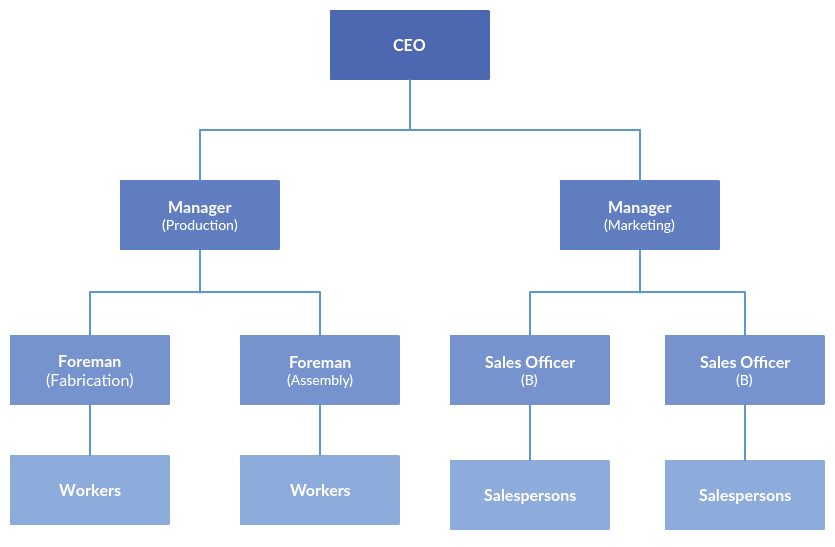
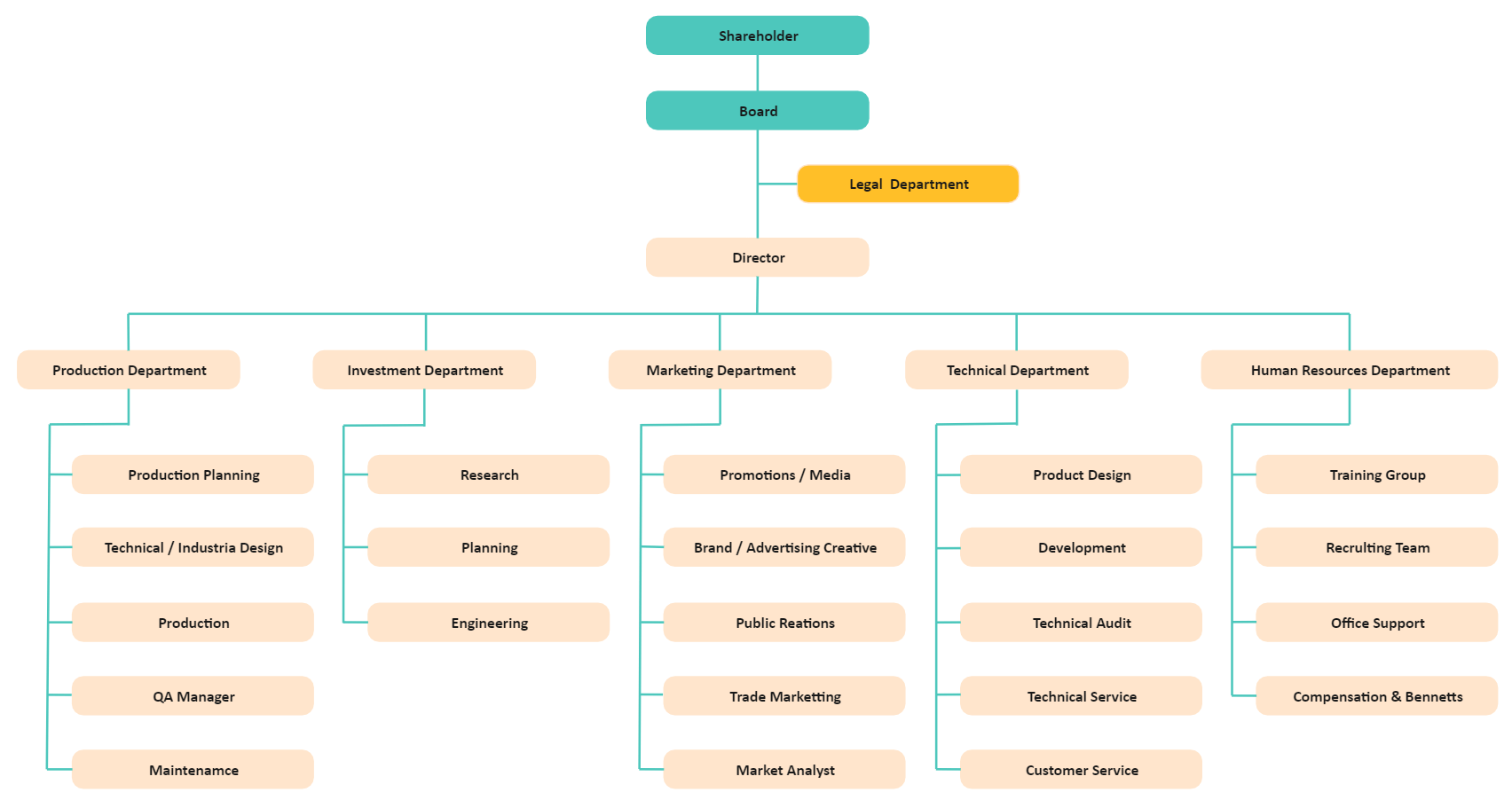
Executive Leadership
-
CEO: Oversees the company’s overall direction
-
CFO: Manages financial planning and reporting
-
COO: Ensures operational efficiency
Departments That Support Growth
-
Marketing: Builds brand presence
-
Finance: Handles budgeting and investments
-
Operations: Ensures production and workflow
-
Human Resources: Manages recruitment and employee welfare
-
Sales: Drives revenue through customer engagement
Strategies Companies Use to Grow
1. Market Expansion
Entering new regions or customer segments to boost sales.
2. Product Innovation
Developing new products or improving existing ones to stay competitive.
3. Mergers and Acquisitions
Buying or merging with other companies to increase market share.
4. Digital Transformation
Using technology such as automation, data analytics, and AI to optimize performance.
5. Customer-Centric Approach
Focusing deeply on customer needs to improve loyalty and retention.
Role of Companies in the Economy
Companies significantly influence national and global economic development by:
-
Creating employment opportunities
-
Driving innovation through research and development
-
Generating tax revenue for governments
-
Facilitating global trade and investment
-
Supporting infrastructure and community development
Common Challenges Companies Face
1. Market Competition
Rivals constantly push companies to improve quality and reduce prices.
2. Economic Fluctuations
Inflation, recession, and financial instability can affect revenue.
3. Talent Shortages
Finding and retaining skilled employees can be difficult.
4. Regulatory Compliance
Companies must follow legal standards across all regions they operate in.
5. Technological Disruptions
Rapid advancements can make existing business models obsolete.
FAQs
1. What is the main purpose of a company?
The primary purpose is to deliver goods or services while generating profit and value for stakeholders.
2. How do companies raise capital for expansion?
They can seek investors, issue shares, take loans, or reinvest profits.
3. What factors influence a company’s success?
Effective leadership, innovation, customer satisfaction, and financial stability are key elements.
4. How do companies decide their organizational structure?
The structure depends on size, goals, industry type, and operational needs.
5. Why do some companies choose to go global?
To access larger markets, diversify revenue streams, and increase brand presence.
6. What makes corporations different from LLCs?
Corporations are more structured and can issue stock, while LLCs offer flexibility with fewer compliance requirements.
7. How do companies maintain a competitive edge?
By innovating, understanding market trends, building strong customer relationships, and optimizing operations.


